

Результаты поиска

Kyoko Wada, Ryoko Matsuba, Katsushika Hokusai
ID: 19007
Издательство: Thames & Hudson

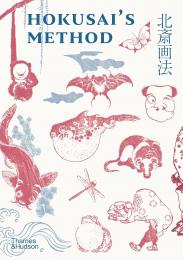
An omnibus edition collecting 15 volumes of Hokusai’s dedicated drawing manuals, ‘e-tehon’

Of the 300 or so printed books Hokusai created in his lifetime, a huge proportion of these were dedicated drawing manuals, known as e-tehon (drawing models). They show not only Hokusai’s great proficiency as a draughtsman, but also his wealth of ideas, and his sense of humour.

This omnibus edition collects 15 volumes of Hokusai's e-tehon, which feature over 800 illustrations of instructions from 1812 to 1848. With every page faithfully reproduced against the original works, the book shows Hokusai's playful approach to drawing with amusing songs, pictures composed of letterforms (a forerunner to today’s emoji), modern designs for craftsmen, and, yes, dance moves. This all-encompassing endeavour also includes a valuable work that he published just before his death. This was his magnum opus, serving to 'preserve everything I’ve learned'.

The pages in this volume are ordered according to the Japanese system. Please turn to the back of the book to begin reading.

About the Authors:

Katsushika Hokusai (1760–1849) was a Japanese artist, ukiyo-e painter and printmaker of the Edo period. Kyoko Wada is an art writer, critic and historian of Japanese culture. Ryoko Matsuba is a specialist in Japanese printed culture from the Edo to modern times. She is a lecturer in Japanese Digital Arts and Humanities at the Sainsbury Institute and has been a researcher at the British Museum since 2014.
Цена: 2500 грн
Есть в наличии
в корзину в избранное
Katsushika Hokusai, Kyoko Wada
ID: 16546
Издательство: Thames & Hudson

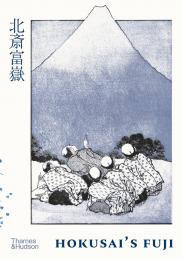
A wonderfully illustrated exploration of one of Hokusai's key motifs: Mount Fuji.

Hokusai's Thirty-six Views of Mount Fuji and the three volumes of his subsequent One Hundred Views of Mount Fuji show his fascination with a single motif: Mount Fuji. Hokusai's near-obsession with Fuji was part of his hankering after artistic immortality – in Buddhist and Daoist tradition, Fuji was thought to hold the secret to eternal life, as one popular interpretation of its name suggests: 'Fu-shi' ('not death'). Thirty-six Views of Mount Fuji was produced from c. 1830 to 1832 when Hokusai was in his seventies and at the height of his career. Among the prints are three of the artist's most famous: The Great Wave off Kanagawa, Fine Wind, Clear Morning and Thunderstorm Beneath the Summit. By the time he created his second great tribute to Mount Fuji, three volumes comprising One Hundred Views of Mount Fuji, he was using the artist names Gakyo rojin ('Old Man Crazy to Paint'), and Manji ('Ten Thousand Things', or 'Everything'). Contrasting the mountain's steadfastness and solidity with the ravages of the surrounding elements, Hokusai depicts Fuji through different seasons, weather conditions and settings, and in so doing communicates an important message: while life changes, Fuji stands still.

Including all the illustrations from these two masterpieces, this book also features many of Hokusai’s earlier renditions of the

About the Author:

Katsushika Hokusai (1760–1849) was a Japanese artist, ukiyo-e painter and printmaker of the Edo period. Kyoko Wada is an art writer, critic and historian of Japanese culture.

Цена: 1500 грн
Доступно под заказ
в корзину в избранное
Katsushika Hokusai, Kyoko Wada
ID: 17622
Издательство: Thames & Hudson

A wonderfully illustrated exploration of one of Hokusai's key motifs: Mount Fuji.

Hokusai's Thirty-six Views of Mount Fuji and the three volumes of his subsequent One Hundred Views of Mount Fuji show his fascination with a single motif: Mount Fuji. Hokusai's near-obsession with Fuji was part of his hankering after artistic immortality – in Buddhist and Daoist tradition, Fuji was thought to hold the secret to eternal life, as one popular interpretation of its name suggests: 'Fu-shi' ('not death'). Thirty-six Views of Mount Fuji was produced from c. 1830 to 1832 when Hokusai was in his seventies and at the height of his career. Among the prints are three of the artist's most famous: The Great Wave off Kanagawa, Fine Wind, Clear Morning and Thunderstorm Beneath the Summit. By the time he created his second great tribute to Mount Fuji, three volumes comprising One Hundred Views of Mount Fuji, he was using the artist names Gakyo rojin ('Old Man Crazy to Paint'), and Manji ('Ten Thousand Things', or 'Everything'). Contrasting the mountain's steadfastness and solidity with the ravages of the surrounding elements, Hokusai depicts Fuji through different seasons, weather conditions and settings, and in so doing communicates an important message: while life changes, Fuji stands still.

Including all the illustrations from these two masterpieces, this book also features many of Hokusai’s earlier renditions of the

About the Author:

Katsushika Hokusai (1760–1849) was a Japanese artist, ukiyo-e painter and printmaker of the Edo period. Kyoko Wada is an art writer, critic and historian of Japanese culture.

Товар отсутствует
cообщить о поступлении
Издательства
A B C D E F G H I G K L M N O P Q R S T U V W X Y Z 0-9
А Б В Г Д Е Ё Ж З И Й К Л М Н О П Р С Т У Ф Х Ц Ч Ш Щ Ы Э Ю Я