Подобрать по характеристикам

Издательства

Цена (130 - 229830 грн)

Цена
грн ok

Архітектура

Архітектура

Ви обрали:
Сортування:
наявність
ціна
алфавіт
Barbara-Ann Campbell-Lange
ID: 4142
Видавництво: Taschen

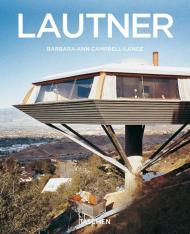
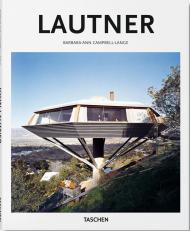
American architect John Lautner (1911-1994) is responsible for some of the most original buildings of the space age and, indeed, the 20th century. The residences he designed in the Los Angeles area, including the Chemosphere House and the Silvertop, are synonymous with the hopes and dreams of an entire era. Characterized by sweeping rooflines, glass-paneled walls, and steel beams, his buildings displayed a combination of fantasy and minimalism, often integrating water and incorporating surrounding landscapes. Lautner always placed great importance on the relationship between humans, space, and nature.

About the Series:
Every book in TASCHEN's Basic Architecture Series features:

  • approximately 120 images, including photographs, sketches, drawings, and floor plans
  • introductory essays exploring the architect's life and work, touching on family and background as well as collaborations with other architects
  • the most important works presented in chronological order, with descriptions of client and/or architect wishes as well as construction problems and resolutions
  • an appendix including a list of complete or selected works, biography, bibliography, and a map indicating the locations of the architect's most famous buildings
Barbara-Ann Campbell-Lange, Peter Gössel
ID: 13368
Видавництво: Taschen

Space-Age Architecture. Back to the future with the visionary West Coast architect

With his geometric structures perched upon the hillsides, beaches, and deserts of California, John Lautner is responsible for some of the most original buildings of the 20th century. This introductory book surveys his key works and his iconic aesthetic in an age of space-age technology, economic growth, and affluence.

With his geometric structures perched upon the hillsides, beaches, and deserts of California, John Lautner (1911–1994) was behind some of the most striking and innovative architectural designs in mid-20th-century America.

This introductory book brings together the most important of Lautner’s projects to explore his
his ingenious use of modern building materials and his bold stylistic repertoire of sweeping rooflines, glass-paneled walls, and steel beams. From commercial buildings to such iconic homes as the Chemosphere, we look at Lautner’s sensitivity to a building’s surroundings and his unique capacity to integrate structures into the Californian landscape. With several of Lautner’s houses now labeled Los Angeles Historic-Cultural Monuments, we’ll also consider the architect’s cultural legacy, as much as his pioneering of a visual paradigm of 1950s optimism, economic growth, and space-age adventure.

The author:

Barbara-Ann Campbell-Lange studied architecture in London, New York, and Cambridge. She is a director of the Campbell-Lange Workshop and lectures at the Royal College of Art.

The editor:

Peter Gössel runs an agency for museum and exhibition design. He has published TASCHEN monographs on Julius Shulman, R. M. Schindler, John Lautner, and Richard Neutra, as well as several titles in the Basic Architecture series.

About the series:

Born back in 1985, the Basic Art Series has evolved into the best-selling art book collection ever published. 

Each book in TASCHEN’s Basic Architecture series features:

- an introduction to the life and work of the architect
- the major works in chronological order
- information about the clients, architectural preconditions as well as construction problems and resolutions
- a list of all the selected works and a map indicating the locations of the best and most famous buildings
- approximately 120 illustrations (photographs, sketches, drafts, and plans)

Ines Heugel
ID: 1166
Видавництво: Rizzoli

Anyone who enjoys entertaining is sure to be inspired by these objects of charm and history, which bring elegance and finesse to any table.

Among the list of items profiled in the book are numerous types of plates (from country stoneware to fine bone china), stemware (from fine crystal aperitif glasses to hand cut ruby quartz goblets), flatware (knives, spoons and forks of every shape, material and purpose), as well as serving platters, soup tureens, serving trays, chafing dishes, egg cups, napkin holders and more. Inès Heugel delves into the history behind each item. She expounds on detailing and craftsmanship, popular designs and proper uses. All the major historic manufacturers, styles and brands are covered.

Also included is a chapter on table ornaments — from centrepieces to candelabra — that round out any well-laid table. Christian Sarramon's atmospheric photographs show each piece in a contemporary setting, and delightful reproductions of vintage engravings and lithographs adorn the margins, giving the book the feel of an old-time almanack. Laying the Elegant Table is the perfect gift and an ideal addition to your own collection.

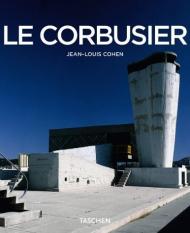
Jean-Louis Cohen
ID: 4564
Видавництво: Taschen

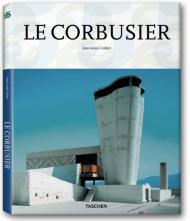
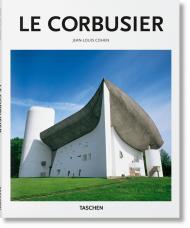
Born Charles-Edouard Jeanneret, Le Corbusier (1887-1965) adopted his famous pseudonym after publishing his ideas in the review L'Esprit Nouveau in 1920. The few buildings he was able to design during the 1920s, when he also spent much of his time painting and writing, brought him to the forefront of modern architecture, though it was not until after World War II that his epoch-making buildings were constructed, such as the Unité d'Habitation apartment complex in Marseilles, and the chapel of Notre Dame du Haut in Ronchamp.

About the Series:
Every book in TASCHEN's Basic Art Series features:

* a detailed chronological summary of the artist's life and work, covering the cultural and historical importance of the artist
* approximately 100 color illustrations with explanatory captions
* a concise biography

Jean-Louis Cohen, Peter Gössel
ID: 12982
Видавництво: Taschen

Будуючи майбутнє. Людина з сучасною місією

Навіть у своїх нереалізованих проектах Ле Корбюзьє переосмислив сучасне життя, синтезуючи функціоналізм, експресіонізм та експансивне міське мислення від Швейцарії до Чандігарха, Індія. Ця книга пропонує стислий вступ до його новаторських ідей, творів та будівель, які продовжують резонувати та впливати й донині.

Народжений Шарлем-Едуаром Жаннере, Ле Корбюзьє (1887–1965) широко визнаний найвпливовішим архітектором 20-го століття. Від приватних вілл до масових проектів соціального житла, його радикальні ідеї, проекти та твори представили масштабне переосмислення не лише окремих споруд, а й цілих концепцій сучасного життя.

Творчість Ле Корбюзьє зазнала особливого розвитку протягом багатьох років, від ранніх народних будинків у Швейцарії через сліпуче білі, пуристичні вілли до динамічних синтезів мистецтва та архітектури, таких як каплиця в Роншампі та громадські будівлі в Чандігарху, Індія. Відмінною рисою його твору була здатність поєднувати функціоналістські прагнення з сильним почуттям експресіонізму, а також ширше та емпатичне розуміння містобудування. Він був одним із засновників Міжнародного конгресу сучасної архітектури (CIAM), який пропагував «архітектуру як соціальне мистецтво».

У цій книзі представлені деякі знакові проекти Ле Корбюзьє, щоб представити архітектора, мислителя та піонера модернізму, який навіть у своїх нереалізованих проектах пропонував дискусії та натхнення для майбутніх поколінь.

Автор:

У 1997 році міністр культури Франції призначив Жана-Луї Коена створити Містечко архітектури — музей, дослідницький та виставковий центр у паризькому Пале де Шайо. Дослідження Коена зосереджені переважно на архітектурі та містобудуванні 20-го століття, а також на дослідженнях німецької та радянської архітектурних культур. Автор і куратор численних книг та виставок з архітектури, він є міжнародно визнаним авторитетом у галузі творчості Ле Корбюзьє.

Редактор:

Петер Гессель керує агентством музейного та виставкового дизайну. Він опублікував монографії TASCHEN про Юліуса Шульмана, Р. М. Шиндлера, Джона Лаутнера та Ріхарда Нойтру, а також кілька видань із серії «Основна архітектура».

Про серію:

Кожна книга із серії «Основна архітектура» видавництва TASCHEN містить:

- вступ до життя та творчості архітектора
- основні роботи в хронологічному порядку
- інформацію про клієнтів, архітектурні передумови, а також будівельні проблеми та рішення
- список усіх вибраних робіт та карту із зазначенням розташування найкращих та найвідоміших будівель
- приблизно 120 ілюстрацій (фотографії, ескізи, чернетки та плани)


Stanislaus von Moos, Arthur Ruegg, Stanislaus von Moos
ID: 10083
Видавництво: Yale University Press

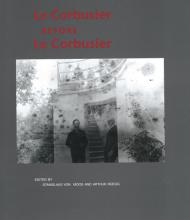
In his numerous writings, Le Corbusier remained uncharacteristically silent about his early career. This text examines his nascent years as a designer and architect, focusing on the period from 1907 to 1922 - the year he changed his name from Charles Edouard Jeanneret and established his identity as Le Corbusier.

The contributors to the book offer an account of Le Corbusier's formative years and the cultural, intellectual and artistic concerns that absorbed him as a young artist in Switzerland and Paris. From 1907 to 1922 Jeanneret learned the art and craft of architecture and design, and defined his own image as an artist.

The volume discusses the cultural climate of his Swiss hometown, La Chaux-de-Fonds; his early mentors, friends and clients; his educational pursuits, including his self-designed Grand Tour; and his first successes as an architect and designer.

More than 350 illustrations - including architectural drawings and models, watercolours, sketches, photographs and furniture - show the wide range of young Le Corbusier's work and illuminate the principal themes and issues of his formative years.

Jean-Louis Cohen, Tim Benton
ID: 4283
Видавництво: Phaidon

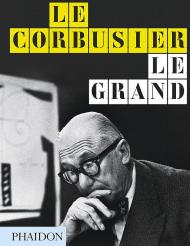
A spectacular visual biography of one of the greatest architects of the 20th century.

Le Corbusier (1887-1965) is one of the giants of twentieth-century architecture and design. Born Charles Edouard Jeanneret in La Chaux-de-Fonds, Switzerland, the self-named Le Corbusier was not only the creator of some of the most important and impressive buildings of the last century--Villa Savoye at Poissy, the Chapel of Notre Dame du Haut at Ronchamp, the Parliament Building in Chandigarh, India--he was also an accomplished painter, sculptor, furniture designer, urbanist, and author. His work and social theories continue to be a dominant force in the world of architecture and design, while his elegant bearing, typified by his round black eyeglasses, which are still today a signature look for architects around the world, helped cast him as an heroic figure out of Ayn Rand's novel The Fountainhead.

Drawing on an array of archival material, including sketches, photographs, and correspondences, Le Corbusier Le Grand depicts in roughly chronological order not only the vast and varied output of Le Corbusier, but also the major events, people, and forces that shaped the life of an artist who continues to fascinate those in and outside the architectural world.

About the authors:

Jean-Louis Cohen is undoubtedly France's most authoritative and knowledgeable historian of twentieth-century architecture and urbanism. He divides his time between Paris and New York, where he is the Sheldon H. Solow Professor in the History of Architecture at the Institute of Fine Arts of NYU University.

Tim Benton, a highly regarded Le Corbusier scholar, is a Lecturer in the History of Art, Open University, Milton Keynes, England.

Jean-Louis Cohen, Tim Benton
ID: 12055
Видавництво: Phaidon

A spectacular visual biography of one of the greatest architects of the 20th century.

Le Corbusier (1887-1965) is one of the giants of twentieth-century architecture and design. Born Charles Edouard Jeanneret in La Chaux-de-Fonds, Switzerland, the self-named Le Corbusier was not only the creator of some of the most important and impressive buildings of the last century--Villa Savoye at Poissy, the Chapel of Notre Dame du Haut at Ronchamp, the Parliament Building in Chandigarh, India--he was also an accomplished painter, sculptor, furniture designer, urbanist, and author. His work and social theories continue to be a dominant force in the world of architecture and design, while his elegant bearing, typified by his round black eyeglasses, which are still today a signature look for architects around the world, helped cast him as an heroic figure out of Ayn Rand's novel The Fountainhead.

Drawing on an array of archival material, including sketches, photographs, and correspondences, Le Corbusier Le Grand depicts in roughly chronological order not only the vast and varied output of Le Corbusier, but also the major events, people, and forces that shaped the life of an artist who continues to fascinate those in and outside the architectural world.

About the authors:

Jean-Louis Cohen is undoubtedly France's most authoritative and knowledgeable historian of twentieth-century architecture and urbanism. He divides his time between Paris and New York, where he is the Sheldon H. Solow Professor in the History of Architecture at the Institute of Fine Arts of NYU University.

Tim Benton, a highly regarded Le Corbusier scholar, is a Lecturer in the History of Art, Open University, Milton Keynes, England.

Jean-Louis Cohen
ID: 957
Видавництво: Taschen

Born Charles-Edouard Jeanneret, Le Corbusier (1887-1965) adopted his famous pseudonym after publishing his ideas in the review L’Esprit Nouveau in 1920. The few buildings he was able to design during the 1920s, when he also spent much of his time painting and writing, brought him to the forefront of modern architecture, though it wasn’t until after World War II that his epoch-making buildings were constructed, such as the Unité d’Habitation in Marseilles and the Church of Notre Dame du Haut in Ronchamp. 

Посмотреть русскоязычное издание книги Le Corbusier -  Ле Корбюзье

About the Series:

Every book in TASCHEN's Basic Architecture Series features:

  • approximately 120 images, including photographs, sketches, drawings, and floor plans
  • introductory essays exploring the architect's life and work, touching on family and background as well as collaborations with other architects
  • the most important works presented in chronological order, with descriptions of client and/or architect wishes as well as construction problems and resolutions
  • an appendix including a list of complete or selected works, biography, bibliography, and a map indicating the locations of the architect's most famous buildings
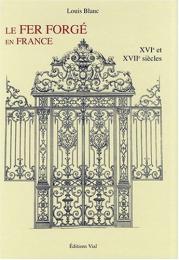
Louis Blanc
ID: 4018
Видавництво: Vial

Les dessins de réalisations en fer forgé, portes, portails, balustrades, kiosques sont  assemblés dans cet ouvrage en deux volumes qui les présentent par époque et par style.

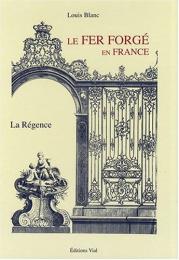
Louis Blanc
ID: 4019
Видавництво: Vial

Les dessins de réalisations en fer forgé, portes, portails, balustrades, kiosques sont  assemblés dans cet ouvrage en deux volumes qui les présentent par époque et par style.

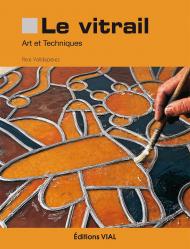
Pere Valdeperez
ID: 8012
Видавництво: Vial

Cet ouvrage d’initiation est à nouveau disponible. Il détaille les techniques de base du vitrail, les procédés et les matériaux. Il reprend également les connaissances historiques, esthétiques et pratiques qui permettent aux amateurs ou aux professionnels de nourrir un socle de savoirs indispensables à la pratique de leur art.

Editors: S. Ehmann, S. Borges, R. Klanten
ID: 7675
Видавництво: Gestalten

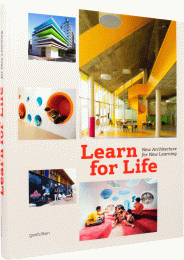
New spaces for new learning — not just in kindergartens, schools, and universities.

How well we learn is directly linked to where we learn. Because the digital age has changed the way we gather knowledge dramatically, places where we learn now look and feel very differently than they did just a decade earlier. Today, the spaces in which our lifelong path of learning takes place have evolved to accommodate our expanding educational needs. These new spaces promote learning by providing inspiration and helpful tools as well as facilitating opportunities for productive cooperation and collaboration.

A diverse collection of inspiring architecture, Learn for Life showcases spaces that support progressive and collaborative models for acquiring knowledge. In addition to new interpretations of traditional places for learning including kindergartens, schools, universities, libraries, and educational centers, the book also features commercial buildings whose architectural innovations redefine our understanding of what it means to develop professionally in offices, corporate headquarters, conference rooms, convention centers, and laboratories. Also included are more experimental projects including flexible, informal, and temporary installations and exhibitions that offer further perspectives on the rapidly evolving topic of how and where to best learn in the new millennium.

The examples presented in Learn for Life also demonstrate how color, light, the organization of space, and the inclusion of playful as well as surprising elements can be used to support learning.

In short, the work presented in this book makes clear that the creative use of architecture and interior design not only provides a new physical framework for acquiring knowledge, but also revitalizes and advances the process of learning as a whole.

Irmela Fromme, Uta Herz
ID: 10161
Видавництво: Green Books

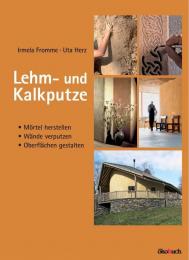
Für Innen- und Außenwände: Mörtel herstellen, Wände verputzen, Oberflächen gestalten.
Lehm und Kalk sind ökologisch und bau­bio­logisch wertvolle Materialien, die zudem regional verfügbar sind. Seit Jahren finden sie deshalb wieder zunehmend Verwendung. Die beiden Autorinnen, langjährig mit der Praxis vertraut, zeigen detailliert, welcher Putzaufbau je nach Anwendungsfall jeweils sinnvoll ist und wie die Lehm- und Kalkputzmörtel hergestellt und verarbeitet werden. Ebenso wird die Behandlung und Pflege der Oberflächen sowie das Gestalten der Putzflächen durch Strukturieren, Glätten, Farbgebung und Schmuckelemente anschaulich dargestellt.
Viele Fotos und Zeichnungen dokumentieren die jeweiligen Putztechniken, zeigen ausgeführte Projekte und geben Anregungen für die Gestaltung der eigenen vier Wände.
Das Buch wendet sich an alle, die Putze mit den Naturbaustoffen Lehm und Kalk ausführen möchten, an Fachkräfte wie auch an handwerklich geschickte Laien.

Anne Forray-Carlier
ID: 6150
Видавництво: Vial

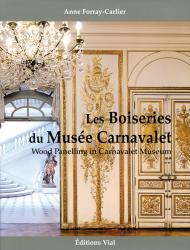
C’est à la fin du XIXe siècle, alors que la création de boiseries neuves se raréfie, que commence l’intérêt pour les boiseries anciennes. Nées au Moyen-Âge, elles doivent leur succès à leurs excellentes qualités d’isolation thermique et phonique, mais aussi à la possibilité qu’elles offrent en matière de décoration que le XVIIIe siècle portera au plus haut degré. Le musée Carnavalet est devenu un des hauts lieux de la boiserie française puisqu’il présente des dizaines de salles couvertes de lambris récupérés dans des hôtels particuliers parisiens.

L’auteur commence par un bref rappel biographique qui rappelle l’évolution de l’intérêt du public pour les boiseries anciennes. Il précise ensuite son sujet à travers la définition de la boiserie, du lambris. Il précise le rôle de l’architecte, du menuisier, du sculpteur, du peintre et du doreur grâce aux nombreux documents qu’ils nous ont laissés : ouvrages techniques, études préparatoires, devis, épures et d’émouvants dessins sur les murs qui ont parfois été conservés sous les boiseries. Il retrace ensuite l’histoire et l’évolution de la boiserie en France depuis le haut Moyen-Âge au XIXe siècle en passant par la Renaissance et l’époque classique. Il en profite pour présenter les différents éléments d’une boiserie à la française et son évolution : plinthe, panneaux de soubassement, cimaise, grands panneaux, entablement et corniche sont rythmés verticalement par les ouvertures et des parecloses ou des pilastres.
Dès sa création en 1865, le musée Carnavalet se préoccupe de sauver des boiseries remarquables des XVII et XVIIIe siècles promises à la démolition : il les rachète, les remonte dans les salles de la rue de Sévigné, les étudie, les restaure dans leur splendeur initiale et ainsi les préserve. L’auteur les décrit en les replaçant dans leur contexte historique et technique, nous présente le résultat des recherches effectuées (genèse des oeuvres, documents d’époque, travaux de remontage), illustrées par de très nombreuses photographies qui nous montrent vues générales et détails.
C’est ainsi à une visite exceptionnelle du musée Carnavalet que ce livre nous convie, guidés par celle qui en fut le Conservateur pendant presque vingt ans.

Livre bilingue français - anglais

Sommaire :
L’art de la boiserie en France.
Le décor de boiserie
L’histoire de la boiserie en France
Naissance d’un engouement
Boiseries de l’hôtel Colbert de Villacerf.
Boiseries originales de l’hôtel Carnavalet
Cabinet de l’hôtel Le Peletier de Saint-Fargeau.
Boiseries provenant de l’hôtel de Broglie.
Deux salons de l’hôtel Brûlart de Sillery.
Boiseries provenant de l’hôtel Stuart d’Aubigny.
Boiseries de la salle Liesville
Boiseries provenant d’un hôtel de la rue du Regard
Boiseries provenant d’un hôtel de la rue de Fleurus
Boiseries provenant de l’hôtel Lebas de Courmont
Un cabinet chinois.
Boiseries provenant d’un hôtel de la rue de Grenelle
Boiseries du Café militaire.
Le salon de compagnie de l’hôtel d’Uzès
Le boudoir, la rotonde, le petit et le grand salon de l'hôtel de Breteuil
Boiseries du château de Conflans.
Bibliographie

Видавництва
A B C D E F G H I G K L M N O P Q R S T U V W X Y Z 0-9
А Б В Г Д Е Ё Ж З И Й К Л М Н О П Р С Т У Ф Х Ц Ч Ш Щ Ы Э Ю Я